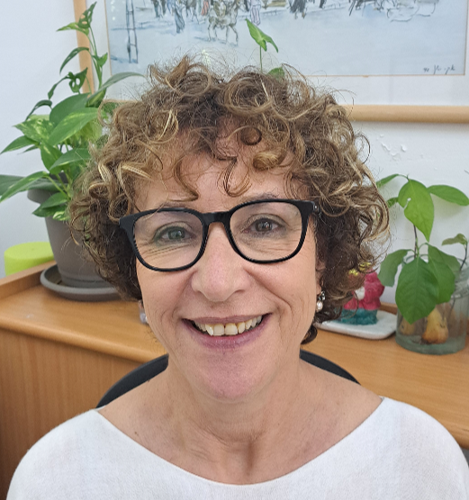
Tessa Chelouche
Department of Bioethics and the Holocaust, International Chair in Bioethics – WMA Cooperation Center, Israel
Bionote
Tessa Chelouche, M.D, originally from South Africa, is a family physician and the director of a primary care practice in Israel.
For the past 20 years, and continuing in the present, she has directed and taught an undergraduate course on Medicine and the Holocaust at the Rappaport Faculty of Medicine, Technion Institute, Haifa, Israel.
She is the Co-Chair of the Department of Bioethics and the Holocaust of the International Chair in Bioethics (World Medical Association Cooperation Center).
She is the co-editor of the Casebook on Bioethics and the Holocaust which has been translated into 7 languages. She has published numerous articles and book chapters on Medicine during the Nazi period, Bioethics and the Holocaust and is a member of the Lancet Commission on: Medicine and the Holocaust: Historical Evidence, Implications for Today, Teaching for Tomorrow (that was published in the Lancet journal in November 2023).
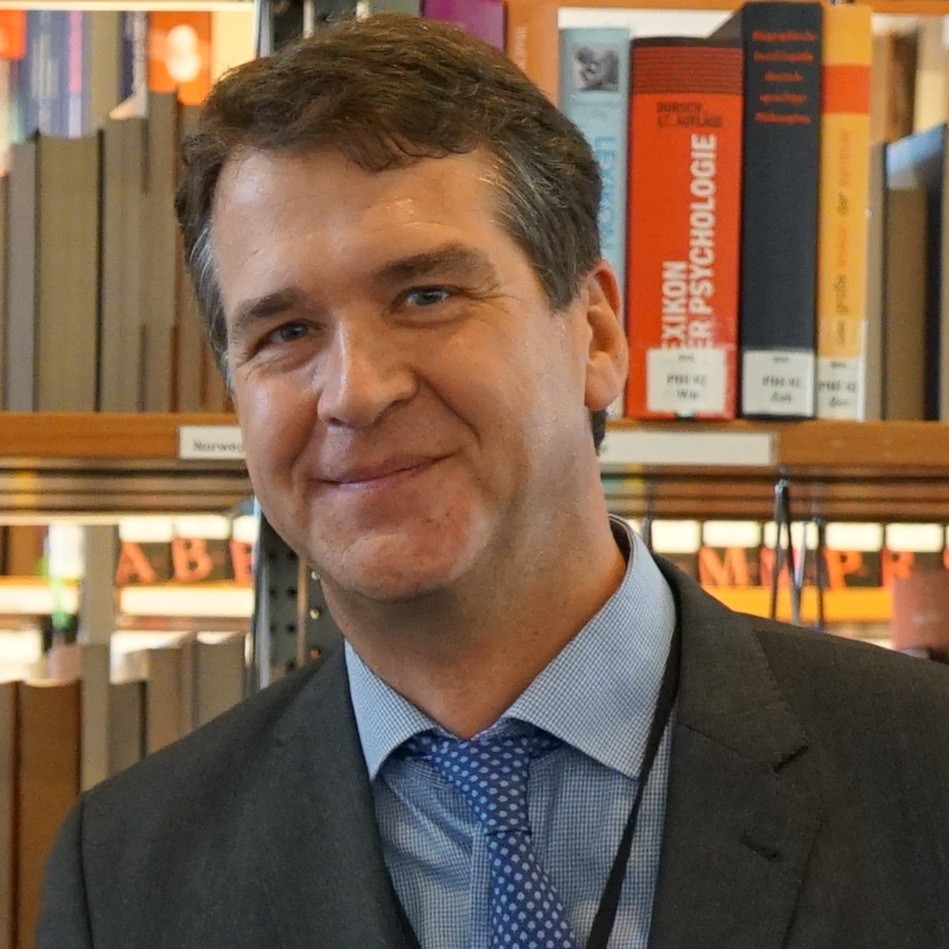
Hans-Christian Jasch
Independent researcher, Germany
Bionote
Dr. iur. Hans-Christian Jasch is a lawyer and legal historian by training. He holds a PhD in legal history from the Humboldt University in Berlin. He was appointed as director of the Memorial and Educational Site House of the Wannsee Conference in May 2014 following the publication of his critically acclaimed book in 2012 on the Nazi-state-secretary Wilhelm Stuckart, who represented the Ministry of interior at the Wannsee Conference. Before starting his assignment as director of the Wannsee Memorial and parallel to his academic research on law and public administration in Nazi-Germany, Dr. Jasch worked as a lawyer in the public administration for the German Federal Ministry of Interior in the field of countering right-wing extremist hate crime and terrorism (2012-2014) and as a seconded national expert on preventing violent radicalisation for the counter-terrorism unit of the European Commission in DG Home Affairs from 2007 to 2011. In 2016/17 he co- authored books on the Participants of the Wannsee-Conference, the Nuremberg Laws, Public administration and the Holocaust, a book on how the German Justice system dealt with Holocaust crimes after 1945, a book on amateur war-fotography during the German attack on Poland and now an exhibition and a catalogue called: “Crimes Uncovered” on “The First Generation of Holocaust Researchers”.
Since August 2020 he works in Federal Ministry of Interior in the field of public security.
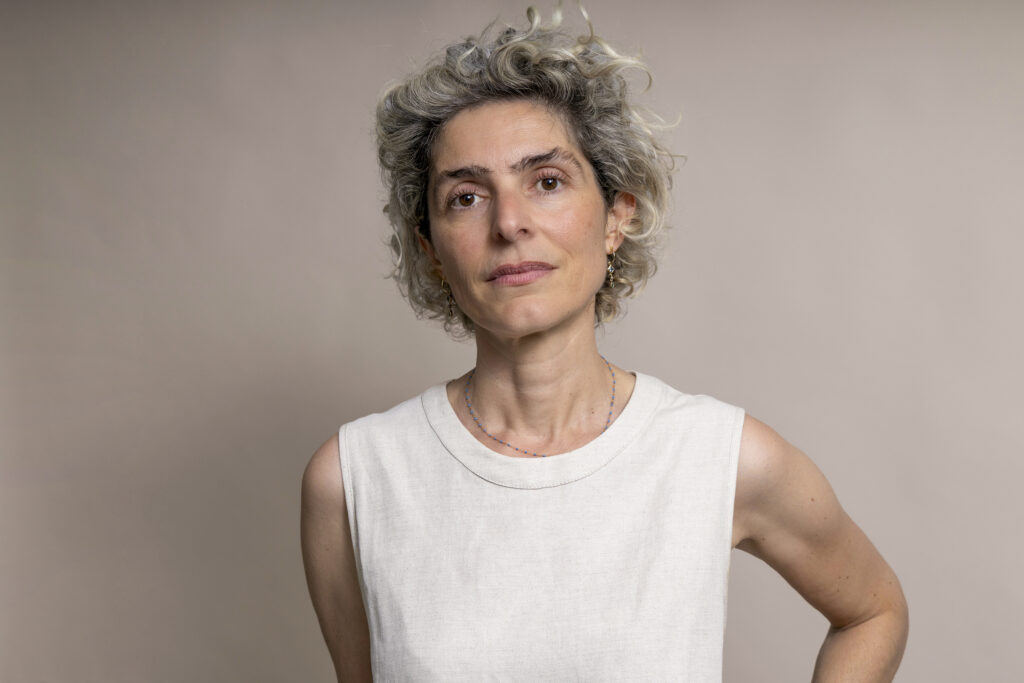
Johanna Lehr
Non-Residential Fellow at the USC Shoah Foundation, USA
Bionote
Johanna Lehr (born 1979) is a French historian specializing in the history of anti-Jewish persecution in France during the Second World War and a clinical psychologist. She holds degrees in political science from Paris 1 Panthéon-Sorbonne University and in clinical psychology from Paris Diderot University (Paris 7). Since 2018, her postdoctoral research has focused on the daily lives of Jews in occupied Paris, exploring topics such as imprisonment, welfare, funeral societies, women’s experiences, and the mechanisms of individual arrests under German occupation and the Vichy regime. Her award-winning book, Au nom de la loi. La persécution quotidienne des Juifs à Paris sous l’Occupation (2024), examines the everyday implementation of anti-Jewish persecution in occupied Paris. Her current research focuses on Block 10 at Auschwitz, particularly on the trajectories of women deported from France who were imprisoned there, examining their experiences, survival strategies, and postwar trajectories, as presented in the recently published book, Auschwitz, une histoire de femmes. Les Françaises du bloc 10.
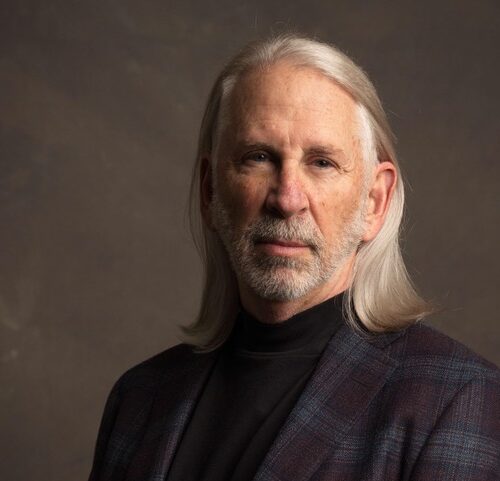
Richard K. Lowy
Author / Producer / Creative Director, Canada
Bionote
Richard K. Lowy is an award-winning author, documentary producer, and internationally recognized creative director. For more than three decades, he produced major events around the world featuring heads of state, global business leaders, and renowned entertainers.
In 2001, Richard produced the documentary Leo’s Journey: The Story of the Mengele Twins, narrated by Christopher Plummer. The film ultimately led to the extraordinary reunion of two Auschwitz survivors, Leopold Lowy and Kalman Bar-On, after 56 years apart.
Drawing on more than two decades of research and firsthand testimony, Richard authored Kalman & Leopold: Surviving Mengele’s Auschwitz, the remarkable true story of two teenage boys who survived Auschwitz, Josef Mengele’s twin experiments, and six months working inside the SS guard shack of Mengele’s hospital camp. Their eyewitness testimony provides one of the rarest and most detailed accounts ever recorded from within the machinery of Auschwitz itself.
The book has received international acclaim and numerous literary honours, including the Readers’ Favorite Silver Medal, the Reader Views Reviewer’s Choice Award, and the Grand Prize for Journalism at the Chanticleer International Book Awards.
Today, Richard continues to share this powerful story with audiences around the world, ensuring that the voices of Kalman and Leopold—and the lessons of the Holocaust—are preserved for future generations.
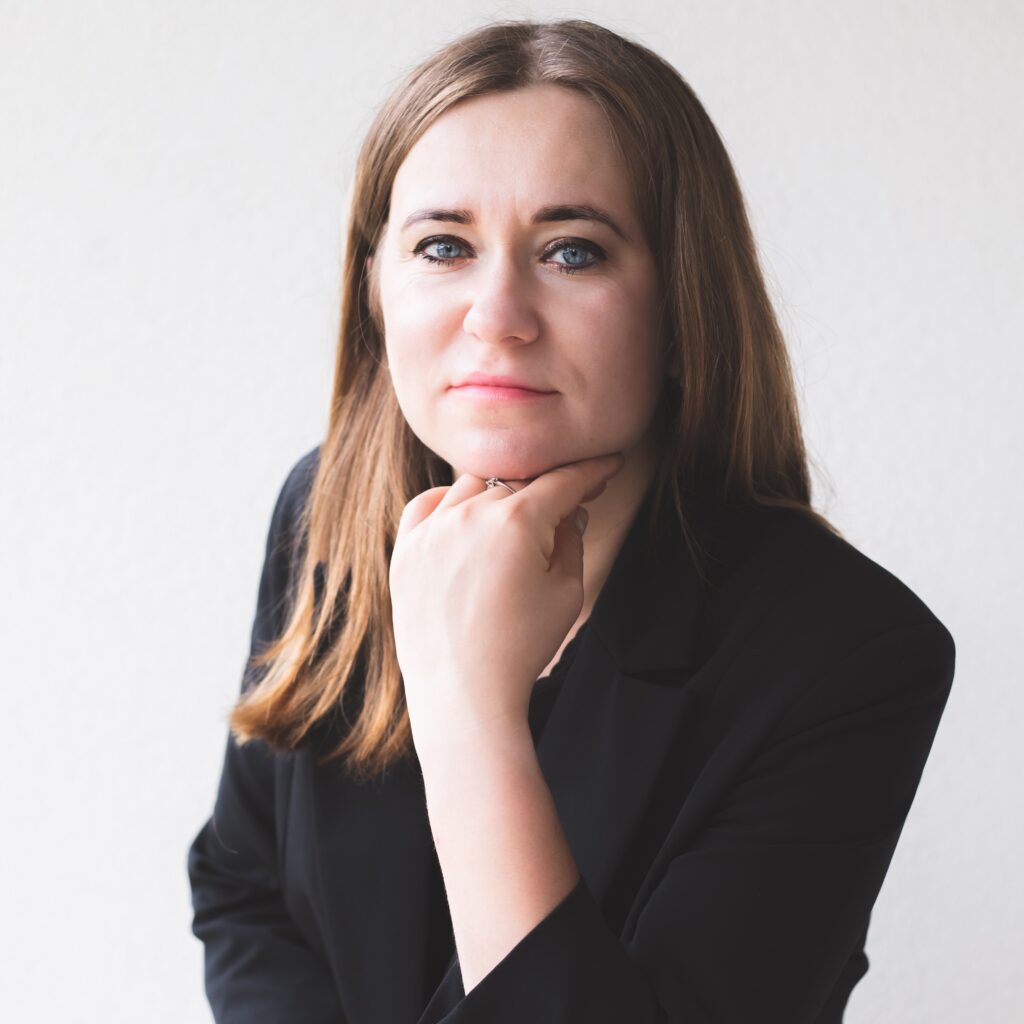
Karolina Trzeskowska-Kubasik
National Institute of Remembrance, Poland
Bionote
Dr Karolina Trzeskowska-Kubasik is a historian at the Historical Research Office of the Institute of National Remembrance (IPN) in Warsaw and a member of the research project Occupational Terror on Polish Lands, 1939–1945. She holds a PhD in the Humanities and graduated from the Faculty of History at the Pedagogical University of Cracow. Between 2014 and 2019, she was a researcher at the Polish Underground Movement Study Trust in London. She is the author of seven books, co-editor of several academic monographs, and has published widely in both scholarly and popular history journals in Poland and abroad. She serves on the editorial board of the academic journal Remembrance and Justice and is a member of the Your Roots in Poland Association. Her research focuses on German occupation policies in the Radom District during the Second World War (1939-1945), with particular emphasis on Nazi terror and the fate of the children of Polish forced labourers.

Jay R. Malone
Washington University School of Medicine, USA
Bionote
Affiliations
Jay R. Malone, Dr
Associate Professor of Pediatrics, Washington University in St. Louis
Adjunct Associate Professor of Health Care Ethics, Saint Louis University
Jay R. Malone, MD, PhD is a pediatric critical care physician and clinical ethicist at St. Louis Children’s Hospital and Washington University School of Medicine, where he is currently the Medical Director of Ethics and chair of the medical ethics committee. He received his Ph.D. in Health Care Ethics at St. Louis University. His dissertation focused on the impact of invasive medical technologies on the suffering of children and families. Dr. Malone’s ongoing research focuses on the role of suffering in pediatric critical illness, and the impact of emotion on family communication around the dying process. He is also a medical faculty member with the Fellowships at Auschwitz for the Study of Professional Ethics.
Thorsten Wagner
Fellowships at Auschwitz for the Study of Professional Ethics, USA
Bionote
Thorsten Wagner is the Principal Scholar of FASPE and has been involved with the organization since its beginnings in 2009. He is a German historian, who grew up in Denmark and completed his undergraduate studies at the University of Tübingen, Germany, and his graduate work at Hebrew University in Jerusalem, the Technische Universität Berlin, and the Freie Universität Berlin, earning his MA from the TU Berlin in 1998. Living in Berlin for about two decades, Thorsten worked as a research fellow at the Danish Center for Holocaust and Genocide Studies and started teaching at the Humboldt University in Berlin. From 2010-2019, he held a permanent position as Associate Professor at the Danish Institute for Study Abroad/University of Copenhagen. Having authored numerous academic publications in the fields of Modern German and European Jewish History, antisemitism, Holocaust studies, cultures of memory, and Israeli history and society, he also worked as the historical consultant for the acclaimed documentary “Germans and Jews”, dealing with contemporary Germany, its relationship to its Nazi past and the reemergence of Jewish life. He, his wife Johanna and their two children live in New York City.

Leon Weintraub
Guest of Honor, survivor of Nazi German concentration camps, Sweden
Bionote
Leon Weintraub was born on 1 January 1926 in Lodz/Poland. After his father’s death in June 1927, his mother had to raise Leon and his four sisters on her own under difficult conditions. In June 1939 he finished sixth grade of public school and should begin at J. Piłsudski-Gymnazium on September 1, 1939.
Leon Weintraub remembers the invasion of the German Wehrmacht on 1 September 1939 very vividly, as shortly after the invasion a ghetto for the Jewish population of Lodz was set up. In Winter 1939, the Weintraub family had to move to the Ghetto-Litzmannstadt. 14-year old Leon had to start work at the ’Resort’ Metall I, first for galvanisation, later for plumbing and finally as an electrician. In 1944, the Germans started the liquidation of the Ghetto and deported the imprisoned to Auschwitz-Birkenau. Weintraub’s family was transported in August 19, 1944. At arrival Leon Weintraub was separated from the rest of his family.
After a couple of weeks Leon Weintraub managed to escape from Auschwitz. Unobserved by the guards, he joined a transport of prisoners to Gross-Rosen. The next camp was Dörnhau, a subcamp of Gross-Rosen, where he, under the pretend of “professional”, had to work as an electrician for the Organisation Todt, until February 1945. He was then – after the ’Death March’ transferred to KZ Flossenbürg and later deported to Offenburg, a subcamp of Natzweiler-Struthof. Finally, he was liberated by French Forces close to Donaueschingen in April 1945.
Due to his physical exhaustion, his weight had dropped to mearly 35 kg, he was diagnosed with typhoid fever and was hospitalised in Donaueschingen for several weeks. Afterwards he spend his convalescence in a French Military-Sanatory on the peninsula Reichenau, until September 1945.
By incident he learnt that three of his sisters had survived in Bergen-Belsen where he united with them in September1945.
On November 11, 1946 he started his studies at the Medical Faculty of the Georg August University in Göttingen.
In November 1950 he returned to Poland. His German wife, Käthe Hof, joined him in April 1951 together with their son Michal, born in January 1948. Two more sons were born: Robert in 1952 and Andrzej in 1954.
After he finished his studies in Warsaw he worked at the First Gyn & Obs Clinic in Warsaw and received his PhD in January 1966.
As a reaction to the growing anti-Semitism in Poland, Leon Weintraub lost his job as a senior physician at the hospital in Otwock in March 1969 and emigrated with his family to neutral Sweden in the September 1969.
Additional information:
His wife Katja died in Stockholm in December 1970. She studied slavic philology and her translation of Janusz Korczak´s books resulted in The Peace Prize of the German Book Trade (posthumously) in 1972.
Six years later Leon married Evamaria Loose, a researcher at SPRI (Stockholm International Peace Research Institute). With her he has one daughter, Emilia, born in 1977.
Eye witness Testimony Shoa Fundation No. 26999, January1997.
Leon Weintraub received The Order of Merit, on ribbon, of the Federal Republic of Germany, in 2004.
On August 19, 2008, he celebrated, together with his family, the opening of The Place of Remembrance in Dobra, near Turek, where his mother was born.
Dr. Dorota Sula interviewed Leon Weintraub in Gross-Rosen on Mars 24, 2009.
His book, written together with Magda Jaros: ’Reconciliation with Evil’,
published at Kadmos, Berlin, in 2022. The Polish Edition of the book was puhblished by Bellona, Warsaw, in 2021.
The German version of the book, published by Wallstein Verlag, Göttingen, in 2022. The Swedish Edition, to be published by Korpen, Göteborg, mid-2025.
He became a Honorary Member of the Alumni of the Medical University in
Göttingen 2022 and was bestowed with the Paracelsus Medaille by the Bundesärztekammer in 2023.
He received the Order of Merit, first class, of Federal Republic of Germany, in
August 2024.
On March 2, 2026, the Medical University of Göttingen awarded him the title of: “doctor honoris causa”
On March 7, 2026, he received the City of Göttingen’s Annual Peace Prize jointly with the project:
“School Without Racism/School With Civil Courage”
Source: Visual History Archive of the USA Shoah Foundation; in January 1997.
Interview-Code: 26999.
With some corrections and changes by Leon Weintraub in May 22, 2009 and in June 10, 2025.

Teresa Wontor-Cichy
State Museum Auschwitz-Birkenau in Oświęcim, Poland
Bionote
Teresa Wontor-Cichy is a historian, Ph.D., in the Research Centre of the State Museum Auschwitz-Birkenau in Oświęcim. She started working at Auschwitz-Birkenau after receiving a Master’s degree in History from the Catholic University of Lublin, Poland in 1993. Her thesis topic was on social welfare in 16th-century Poland.
Her professional research is focused on Auschwitz and the Holocaust. She is the author of several historical books exploring the experiences of different prisoner groups, such as: Imprisoned for Their Faith. Jehovah’s Witnesses in KL Auschwitz and Duchowieństwo i życie religijne w Auschwitz (Clergy and Religious Practices in Auschwitz, published in Polish), Saint Maximillian Maria Kolbe. She is also an author of and historical consultant on numerous biographies published in German and Polish, including: Wilhelm Brasse’s Fotograf 3444: Auschwitz 1940-1945; Maria Anna Potocka’s Zofia Posmysz szrajberka 7566: Auschwitz 1942-1945; Henri Kichka, Byłem więźniem dziesięciu obozów 1940-1945; and, Natali Budzyńska’s Dzieci nie płakały. Historia mojego wuja Alfred Trzebinskiego, lekarza SS. Various works have also been published in English and German.
She has been invited to participate in lectures and to present her research at various international professional workshops and programs in Israel, Lithuania, the Czech Republic, Slovakia, Germany, Great Britain, France, Brazil, and the United States. She has attended lectures at Israel’s Yad Vashem Center (2005, 2008) and Lithuania’s Secretariat of the International Commission for the Evaluation of the Crimes of the Nazi and Soviet occupation regimes (2012). She has also presented her work at conferences and universities, including Holocaust Remembrance (2006, 2009 Pennsylvania, USA) the Second European Meeting on Nazi Medicinecalled “Transgressing Borders” in Prague (2016), and the Galilee International Conference on Medicine in the Holocaust and Beyond in Israel (2017).
Ms. Wontor-Cichy further engages with the public in various ways. She is a lecturer on several aspects of Auschwitz camp history and developed online lectures on The Roma in Auschwitz, Medical Crime in Auschwitz Camp, and The Clergy and Religious Life in Auschwitz. She also presented the “ABCs of Christian, Polish–Jewish relations” at the Pontifical University of John Paul II in Kraków (2014). In addition, she was a guest lecturer accompanying an international, traveling art exhibition called “Forbidden Art,” which displays artifacts made by Auschwitz prisoners (Kansas 2014, Michigan 2016). Furthermore, she frequently guides visitors in regular tours and study programs as well as serves as a historical consultant for many documentary films about Auschwitz history.
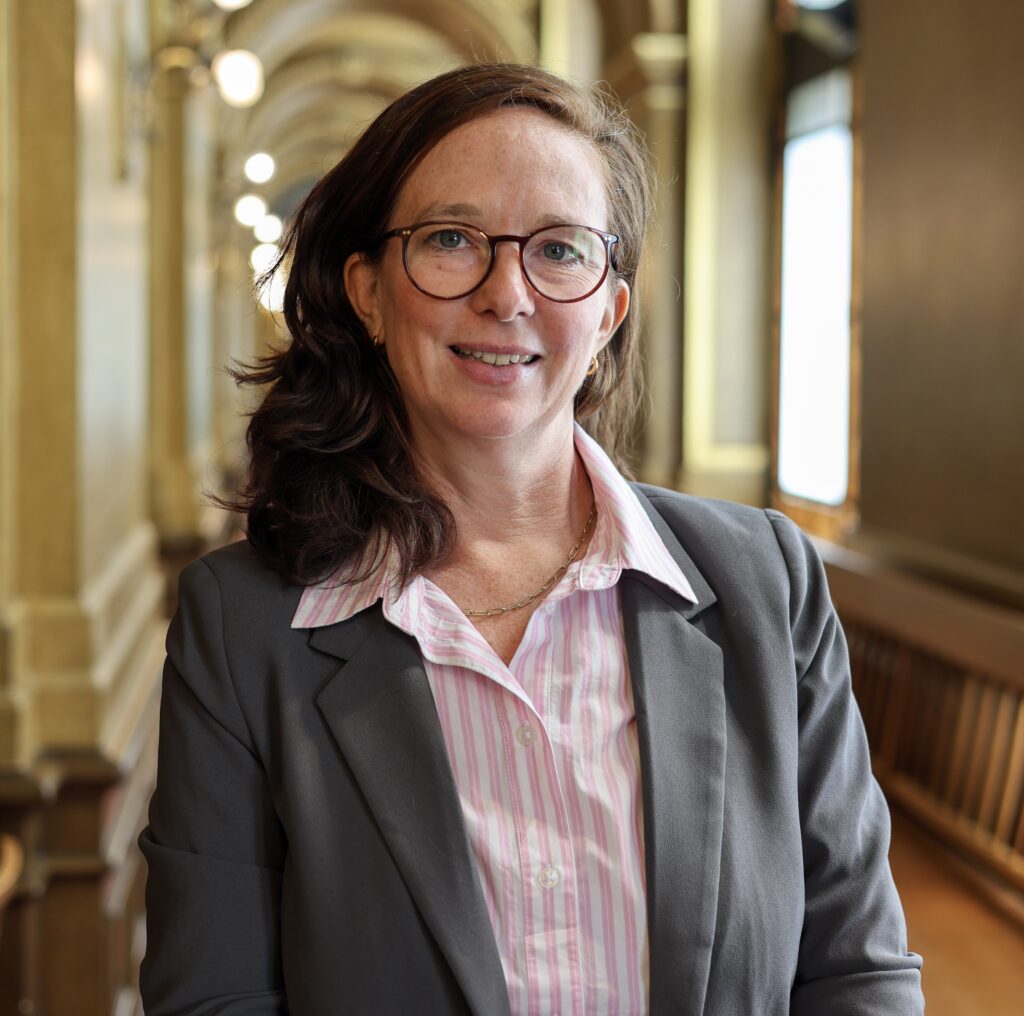
Anna von Villiez
Memorial and educational centre Israelitische Töchterschule / The City of Hamburg’s Commissioner for Jewish Life and the Combating and Prevention of Antisemitism, Germany
Bionote
Anna von Villiez is the director of the Memorial Israelitische Töchterschule in Hamburg, Germany. She also serves as the City of Hamburg’s Commissioner for Jewish Life and the Combating and Prevention of Antisemitism. She received her PhD in history at Hamburg University and has worked as a researcher at Oxford Brookes University. Her research interests include the history of medicine in Germany, especially Jews in medicine and gender history of medicine as well as public history.
Her book “Mit aller Macht verdrängt. Entrechtung und Verdrängung ‚nicht arischer‘ Ärzte in Hamburg“, Dölling & Galitz 2009, was the first study on the persecution and disenfranchisement of Jewish physicians in Hamburg. She is currently involved in a research project on the anatomical institute of Hamburg under National Socialism looking.
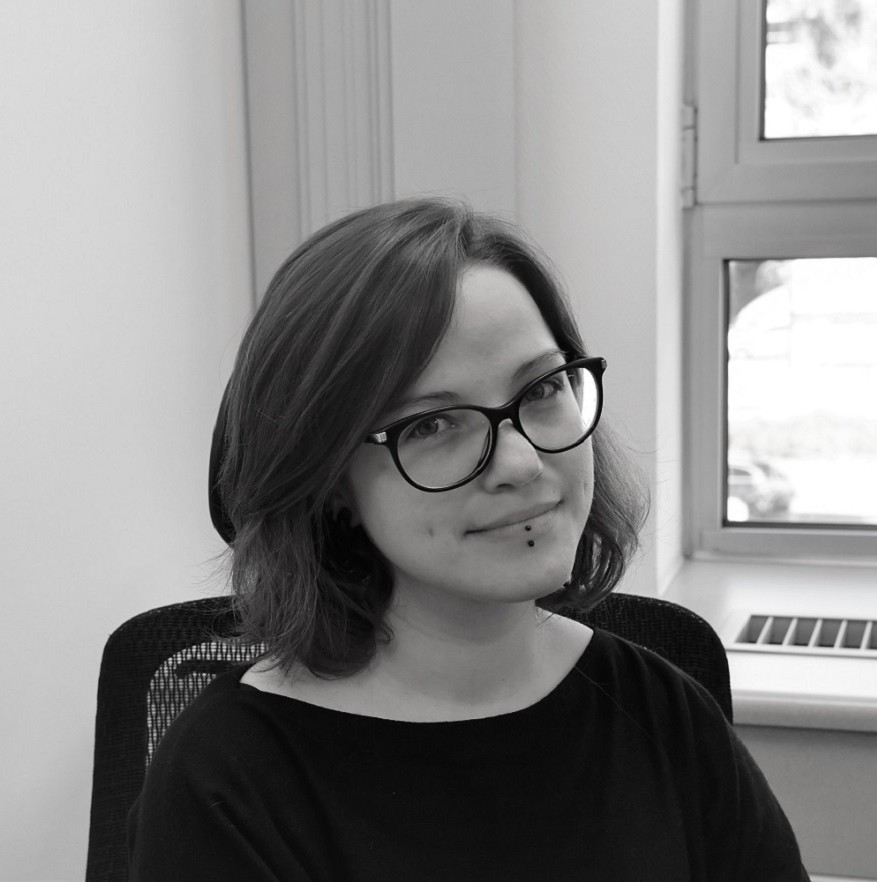
Aleksandra Baryła
National Institute of Remembrance, Poland
Bionote
Aleksandra Baryła together with Angelika Słodka are specialists in the field of forensic anthropology, working at the Search and Identification Office of the Institute of National Remembrance (IPN) in Warsaw. They combine a strong academic background with extensive field and laboratory experience. Their expertise includes the search for, exhumation, analysis, and identification of human remains.
In their daily work, they conduct examinations of human remains, secure biological material for further testing, and prepare comprehensive expert reports. They work closely with prosecutors, providing crucial evidence that supports both legal proceedings and historical investigations.
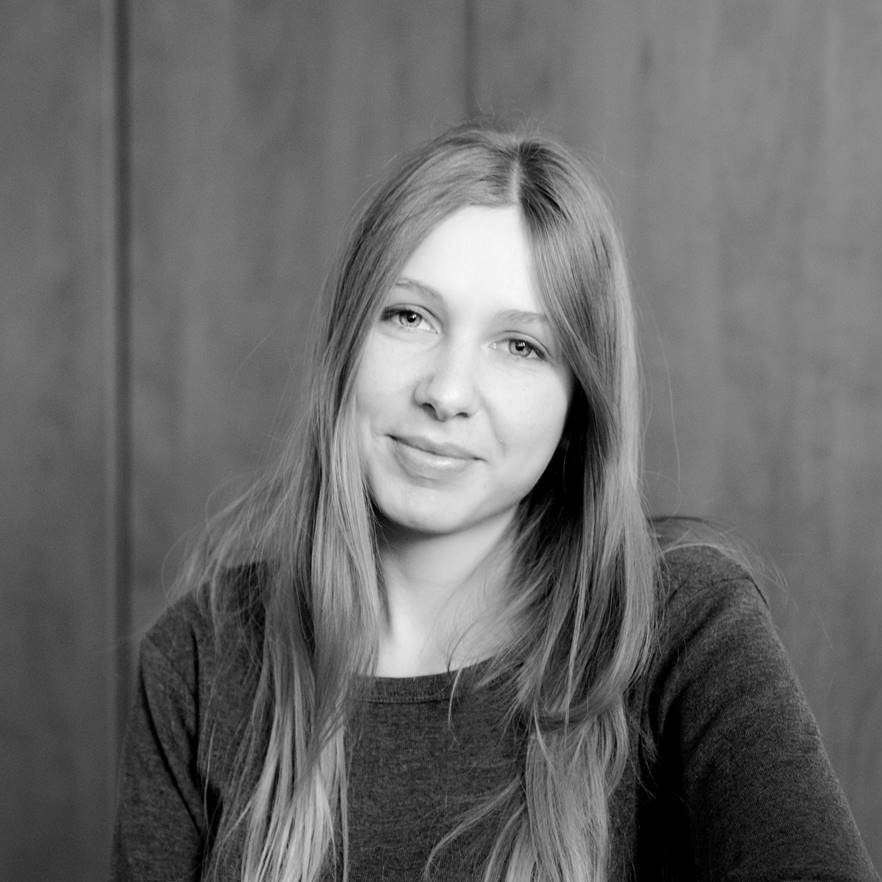
Angelika Słodka
National Institute of Remembrance, Poland
Bionote
Angelika Słodka together with Aleksandra Baryła are specialists in the field of forensic anthropology, working at the Search and Identification Office of the Institute of National Remembrance (IPN) in Warsaw. They combine a strong academic background with extensive field and laboratory experience. Their expertise includes the search for, exhumation, analysis, and identification of human remains.
In their daily work, they conduct examinations of human remains, secure biological material for further testing, and prepare comprehensive expert reports. They work closely with prosecutors, providing crucial evidence that supports both legal proceedings and historical investigations.
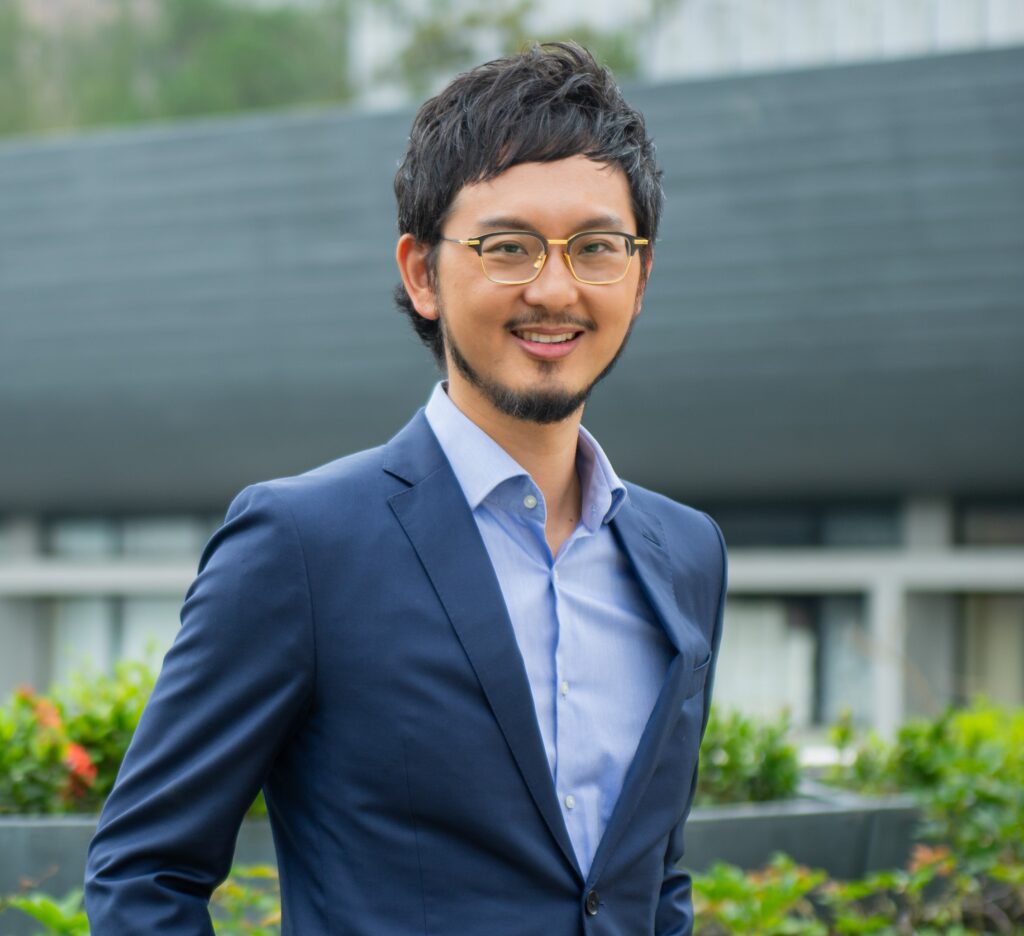
Roger Yat-Nork Chung
Co-Director, Centre for Bioethics, Associate Director (Advanced Education) & Associate Professor, JC Schol of Public Health and Primary Care, The Chinese University of Hong Kong
Bionote
Roger Yat-Nork Chung, PhD, MBE, MHS, is a social epidemiologist and bioethicist who uses the lens of biomedical ethics and justice to examine the social determinants of health, health inequalities, and end-of-life care. His current research investigates social determinants such as poverty, deprivation, socioeconomic disadvantage, environmental and housing factors, and migrant status. He is also interested in the health of migrant workers and rare disease patients. Additionally, his research on end-of-life care focuses on the ethics of advance directives and voluntary assisted dying (commonly known as voluntary euthanasia). By integrating local cultural and philosophical perspectives, his bioethical analysis seeks to contextualize these issues within a field traditionally dominated by Western philosophical frameworks. Looking toward the future of healthcare, his newer lines of inquiry delve into the ethical challenges posed by artificial intelligence and emerging technologies. Collectively, the purpose of his research is to inform health services and public policy, domestically and beyond.
A graduate of Johns Hopkins University with a Bachelor of Arts (Public Health Sciences), the Johns Hopkins Bloomberg School of Public Health with a Master of Health Science, Harvard Medical School (HMS) with a Master of Science in Bioethics, and the University of Hong Kong with a Doctor of Philosophy (PhD) in social and lifecourse epidemiology, he currently serves as Associate Director (Advanced Education) and Associate Professor at the JC School of Public Health and Primary Care of the Chinese University of Hong Kong (CUHK). He is also the Co-Director of the CUHK Centre for Bioethics, spearheading bioethics research, education, and community engagement programs in Hong Kong, an Affiliate of the HMS Center for Bioethics, and was the inaugural US National Academy of Medicine (NAM) International Health Policy Fellow (2018-20), where he participated in two consensus studies on healthy longevity and global vaccine policies to counter pandemic threats.
Professor Chung is currently the Vice Chairman of the Hong Kong Bioethics Association (香港生命倫理學會), established in 1996 with the mission of promoting and increasing awareness of bioethical issues in Hong Kong, and a Board Director of the Hong Kong Life and Death Studies Association (香港生死學協會), a non-profit organization aiming to advance death and end-of-life health literacy in Hong Kong. In 2019, he co-edited the best-selling and award-winning book “What Life and Death Education Talks About” (《生死教育講呢啲》) . He is also a frequent guest global health expert presenter on Radio Television Hong Kong’s radio show/podcast World in a Nutshell (十萬八千里) and a two-time TEDx speaker, who has covered why health equity matters and the ethical framework needed to live a good life. Apart from his academic life, he is an award‐winning and celebrated recording artist/producer who appears in concerts and music festivals regularly.
Rebecca Brendel
Harvard Medical School, USA
Bionote
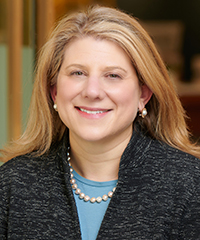
Rebecca Weintraub Brendel, MD, JD the Director of the Center for at Harvard Medical School. She bases her clinical work in psychiatry at Massachusetts General Hospital (MGH) where she is the director of Law and Ethics at the Center for Law, Brain, and Behavior, provides medical oversight for the hospital’s inpatient guardianship team, and practices clinical and forensic psychiatry. Dr. Brendel has served in multiple roles at MGH over the past decade including as medical director of the One Fund Center for Boston Marathon bombing survivors, a psychiatrist on the Law & Psychiatry and Consultation Psychiatry Services, as clinical director of the Red Sox Foundation/ MGH Home Base Program for post 9/11 service members and their families, and as associate director of the MGH-based Harvard Forensic Psychiatry Fellowship. Dr. Brendel is an Associate Professor of Psychiatry and Global Health and Social Medicine at Harvard Medical School.
Dr. Brendel graduated with Honors from both University of Chicago Law School and Pritzker School of Medicine. She completed her psychiatry residency at MGH and McLean Hospital and a forensic psychiatry fellowship at MGH. From 2006 – 2007, Dr. Brendel was the Edmond J. Safra Faculty Fellow in Ethics at Harvard University. She is also admitted to the Massachusetts Bar. She is a past president of the American Psychiatric Association (APA) from 2022 to 2023, of which she is a distinguished fellow. Dr. Brendel is also a past president and fellow of the Academy of Consultation-Liaison Psychiatry (2018-2019). She is presently Vice-Chair of the American Medical Association Council on Ethical and Judicial Affairs (CEJA). and serves as the Chair of the Massachusetts Medical Society Committee on Ethics, Grievances, and Professional Standards. She is a past chair of the Standards and Ethics Subcommittee of the Academy of Psychosomatic Medicine, the Massachusetts Medical Society Committee on Ethics Grievances, and Professional Standards, and the Ethics Committee of the APA, of which she also previously served as the chair of the Board of Trustees Ad Hoc Working Group on Ethics and the Bylaws Committee, and as parliamentarian to the Board of Trustees. She has also served on the ethics committees of the Massachusetts Psychiatric Society and the American Academy of Psychiatry and the Law.
Dr. Brendel’s clinical practice has focused on patients with complex psychosocial problems, including trauma, dementia, mental illness, homelessness, substance abuse, decisional incapacity, lack of community support, and poverty. This broad work has informed her educational efforts and research interests focusing on issues at the interface of psychiatry, medicine, law, ethics, and human rights. She is an avid teacher and lecturer in both medical and legal settings.